
GPT Image 2.6: Fast AI Photo Editing in Native 2K

Change scenes, materials, and lighting while preserving product details and character identity. Native 2K output and multi-reference editing turn one creative direction into a coherent set.

4 0/4
New creator bonus

Sign in to claim 20 starter credits and begin creating

GPT Image 2.6

More control over the image you have in mind

GPT Image 2.6 turns visual direction into finished visuals: choose the model, shape the frame, and keep every version in one place.

01

Native 2K

Crisp, publish-ready output at up to 4K —clean edges, legible text, and detail that survives zoom.

02

Direction

Prompts are followed literally —subject, composition, palette, and mood land where you put them.

03

Consistency

Products, faces, and styles stay consistent across edits, scenes, and whole campaigns.

Introduce GPT Image 2.6

A sharper brief-to-image result

GPT Image 2.6 is an AI image model built for iterative visual work. Give it a clear brief, a product photo, or a few references —it returns visuals you can actually ship.
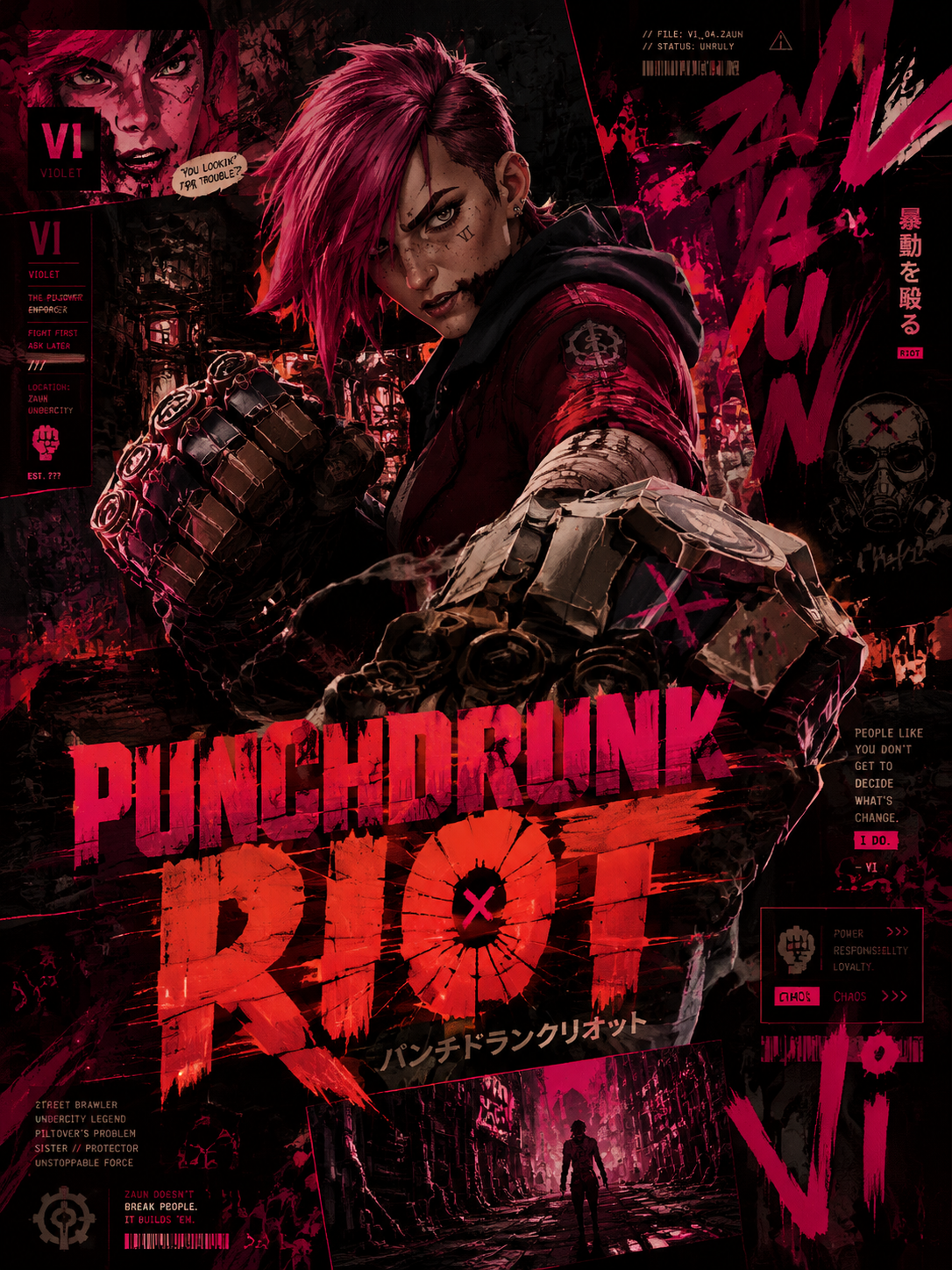
GPT Image 2.6 image generation studio preview
01

Brief-ready prompts

Describe the visual instead of tweaking parameters —GPT Image 2.6 parses subject, composition, and intent from natural language.

02

Image-to-image editing

Start from a photo: swap the background, recolor the outfit, relight the scene —while the product stays intact.

03

Multi-reference direction

Supply up to four references —GPT Image 2.6 holds identity, materials, and look across the whole set.

04

Native 2K output

Render at 1K for drafts, 2K for production, and 4K for print-quality finals.

05

Legible text

Labels, posters, and signage come out readable —brief words render cleanly in frame.

06

Fast turnaround

Most edits return in seconds —iterate on the direction, not on the queue.

GPT Image 2.6 workflow

Keep what matters. Change what moves the story.

GPT Image 2.6 treats every visual as a version you can refine —not a render you have to accept.
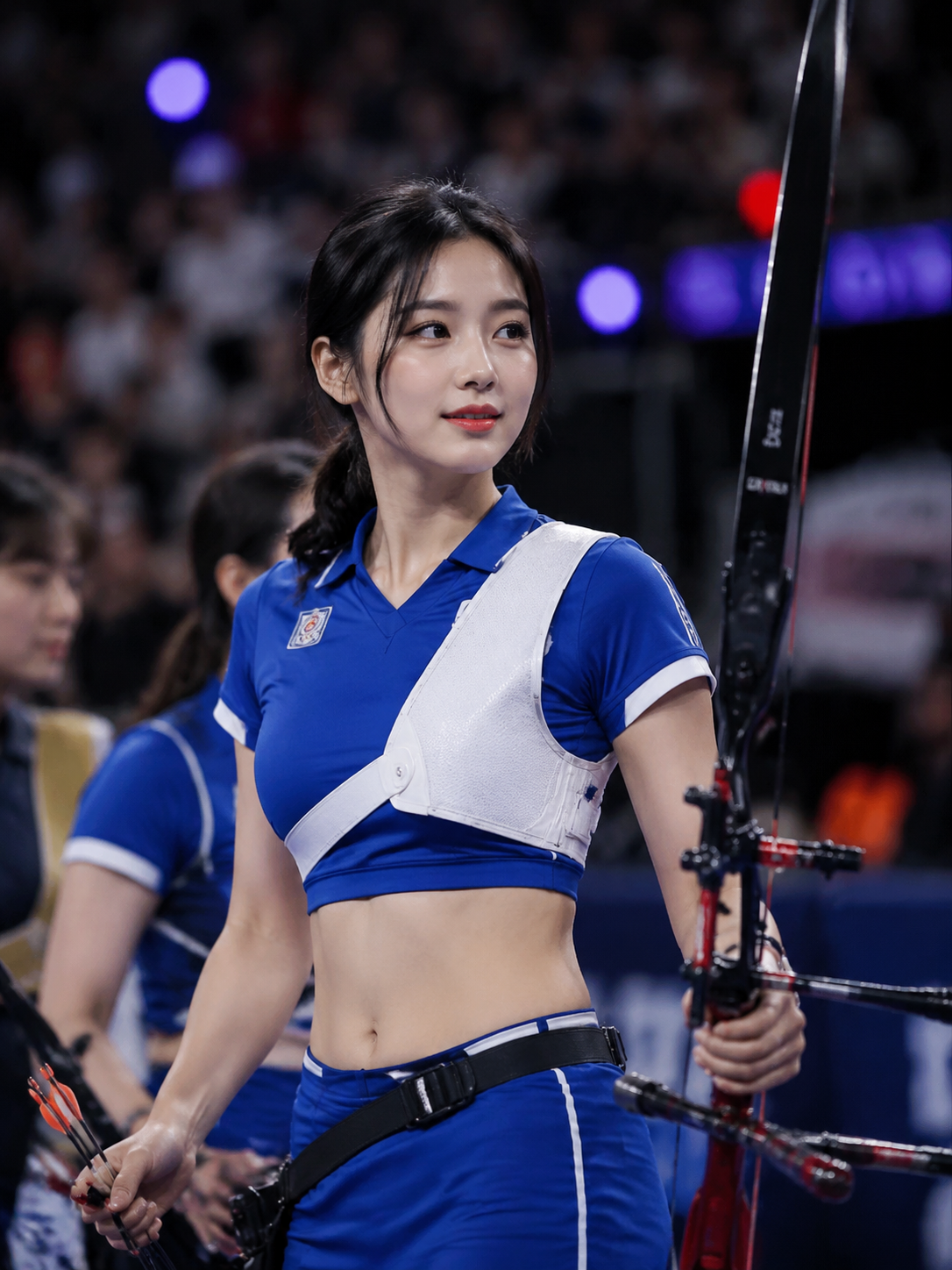
Composing an image brief in GPT Image 2.6

Compose

Describe the visual you want

Write the subject, setting, and mood. Add references when a product, face, or style has to stay recognizable.
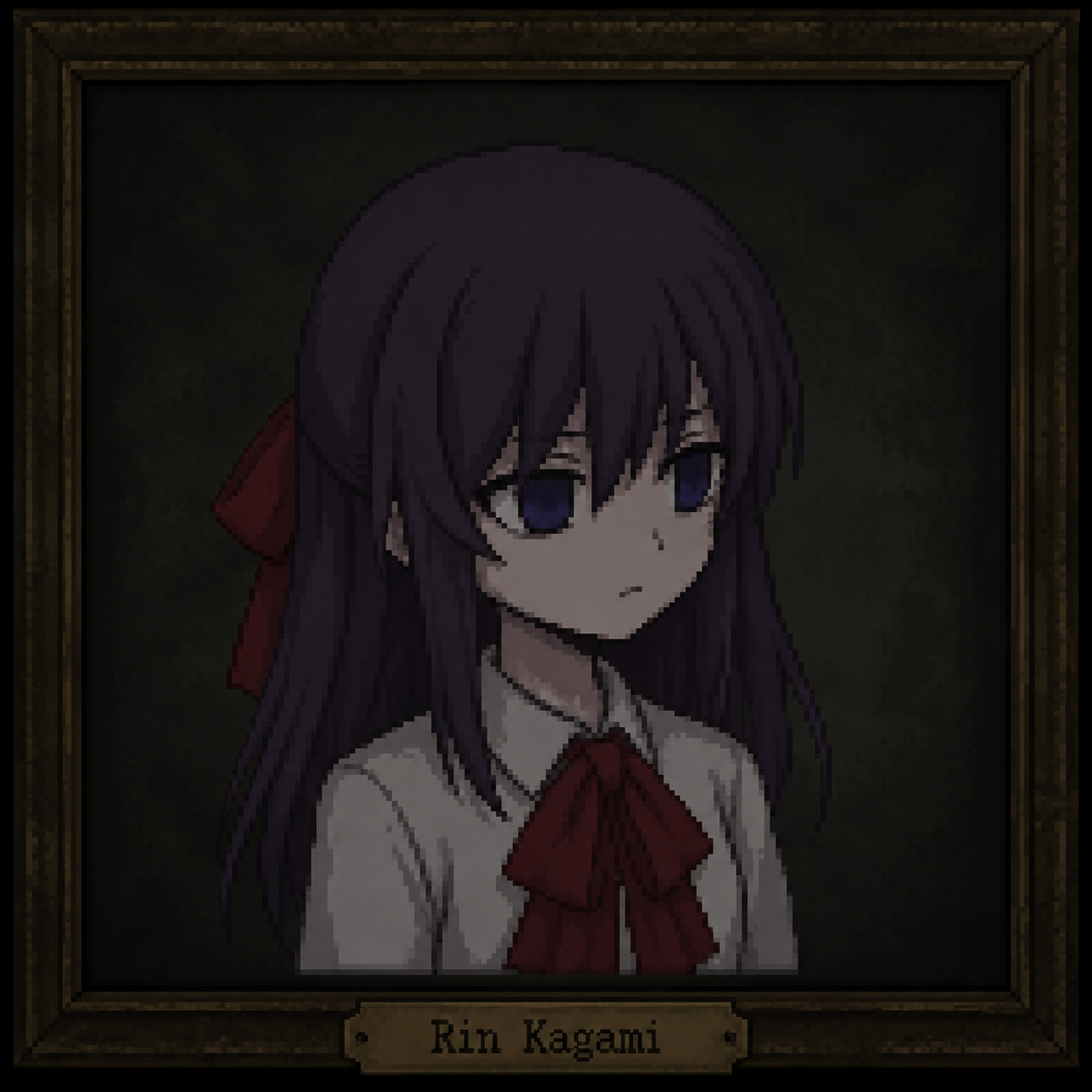
Directing an edit in GPT Image 2.6

Direct

Name what changes

Pick aspect and resolution. Say what stays —the label, the silhouette —and what moves: background, materials, light.
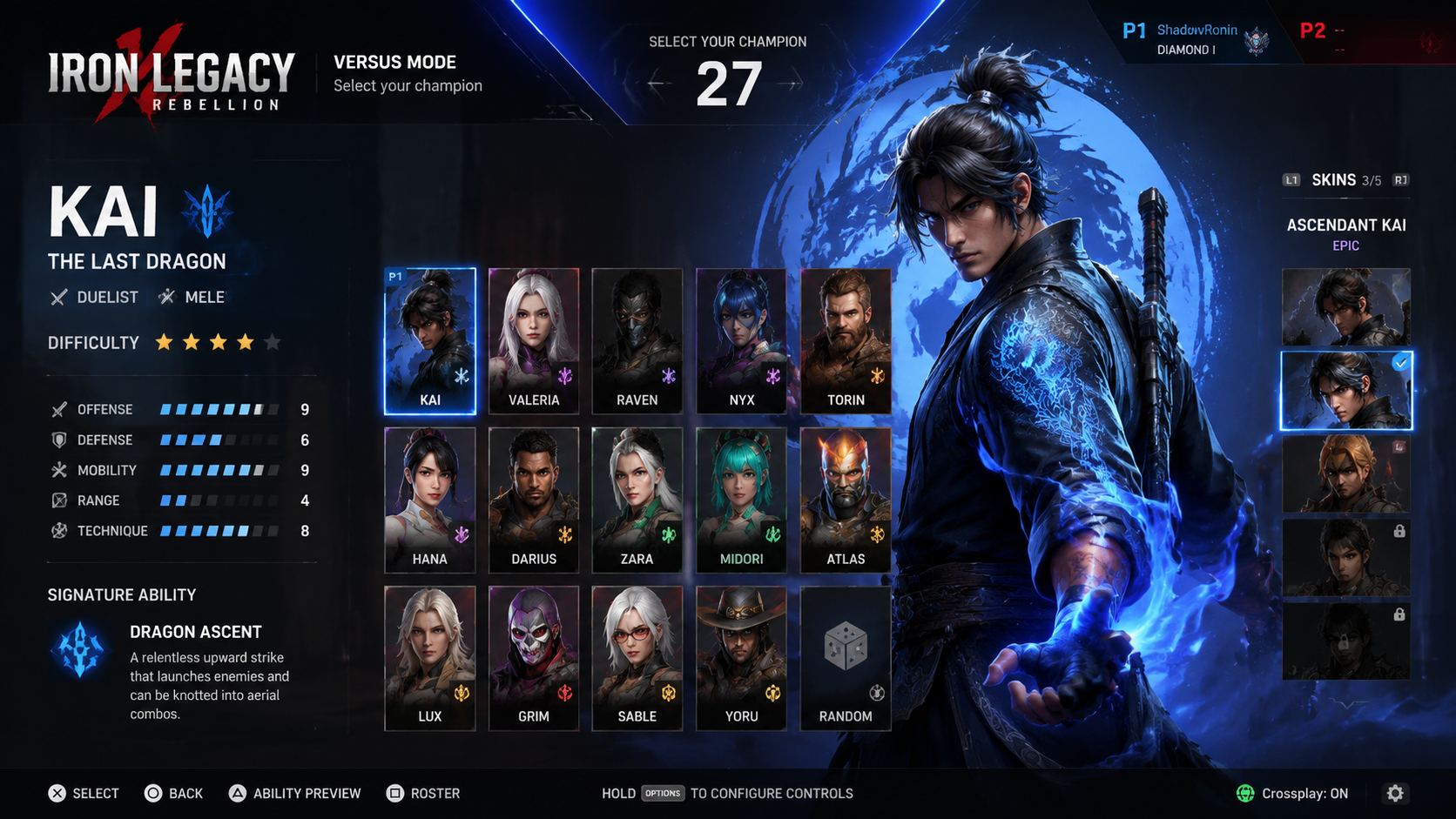
Refining a generated image in GPT Image 2.6

Refine

Adjust the version

Ask for a different palette, a tighter crop, or a new scene —GPT Image 2.6 revises the visual without resetting it.

Build a clear creative brief

A practical way to start with GPT Image 2.6

Make the important choices explicit, review the result against your brief, and use your preferred version as the basis for the next one.

01

State the purpose

Describe what the visual should communicate and where it will run. A product page, a campaign banner, and a storyboard need different framing and density.

02

Assign each reference a role

Explain which image defines the product or character and which supplies the style. For editing, pick the photo that anchors the change.

03

Choose framing and size

Select the aspect and resolution for the placement. Name the focal point and any details the render must preserve.

04

Review, refine, and save

Check faces, labels, materials, and text across the render. Refine the version, then download the one that fits your layout.

From a creative brief to a usable visual

Where GPT Image 2.6 can help

Choose a task with a clear visual objective. GPT Image 2.6 gives creators, studios, marketers, and product teams more ways to explore it.

01

Product photos in new settings

Explore studio, lifestyle, and seasonal scenes from a product reference while the shape, materials, and labels stay true.

02

Character and storyboard concepts

Carry a recognizable character through new poses and settings, then review identity and scene continuity frame by frame.

03

Campaign and social graphics

Create coordinated visuals with consistent products, colors, and direction across square, portrait, and landscape formats.

04

Poster and packaging concepts

Generate layout-led visuals with intended text areas and product hierarchy —check every word before publishing.

05

Background, outfit, and lighting edits

Replace an object, recolor an outfit, restyle a room, or relight a scene with one focused instruction.

06

Graphics for different markets

Develop regional variations from one approved direction and adjust visible copy for each market.

Useful answers before you create

GPT Image 2.6 FAQ

Understand the model, prepare better references, and choose a practical approach to your next visual.

01What is GPT Image 2.6?
GPT Image 2.6 is an AI image model for creating and editing visuals. It combines text instructions with references to change scenes, materials, and lighting while maintaining product and character consistency, with native 2K output.
02Can I change a background while keeping the product?
Upload a clear product photo and describe the new scene. Specify the packaging, label, colors, and camera angle to keep. Review the result closely —small text and details can change during generation.
03How fast is GPT Image 2.6?
Most edits return in seconds at native 2K. Timing varies with the request, settings, and service load —it is a typical result, not a deadline for every edit.
04How do I create from a prompt or edit a photo?
Choose Text to Image to create from a prompt, or Image to Image for a photo edit. Enter a prompt, upload references if needed, select output settings, and check the credit cost before you generate.
05How do I write a good GPT Image 2.6 prompt?
Start with what must stay —a face, a label, a room layout —then describe the change, including lighting and camera angle. Give each reference a clear role and use "only" for a focused edit.
06Can GPT Image 2.6 edit a photo I already have?
Yes. Choose Image to Image, upload your photo, and describe the change —for example: replace the background with a sunlit studio while keeping the product, label, and camera angle unchanged.
07What resolution can I export?
1K for quick drafts, native 2K for most production work, and 4K for print-quality output —the credit estimate updates before each run.
08What about video?
The same studio hosts the Seedance video family —turn a finished composition into motion in the video generator with its own duration, resolution, and credit settings.
09What should I check before publishing?
Review faces, hands, product details, and any text in the render. GPT Image 2.6 accelerates the creative workflow, but a final review remains part of shipping a visual.
10How do I begin on GPT Image 2.6?
Open Create, write a brief, and add references if needed. You can prepare your prompt before signing in —sign in to generate and save your work. Review the model, settings, and credit charge before submitting, and compare plans on the pricing page.

GPT Image 2.6 Pricing

Match your plan to how often you create: recurring credits for a regular workflow, or a one-time pack for a defined visual project.

Cancel anytime

For any questions about payment or plans, contact our support team: Contact support

Pay safely and securely with

VisaMastercardAmerican ExpressApple PayUnionPayGoogle PayStripeMore >>

Review billing, shared credits, cancellation, and validity before choosing a GPT Image 2.6 plan.

Understand the plan before you pay

Understand the model, prepare better references, and choose a practical approach to your next visual.

01What is the difference between a subscription and a credit pack?
Subscriptions are designed for ongoing creation and include a recurring credit allowance. Credit packs are one-time purchases with no recurring charge, making them a flexible choice for occasional projects.
02How does annual billing work?
Annual plans show their equivalent monthly price for easier comparison, while the full annual amount is charged once per year. Your yearly credit allowance is available for the annual plan period.
03How do credits work across available models?
Credits are shared across the models currently enabled in the workspace. Cost varies by model and generation settings, including image resolution and reference inputs; review the exact credit charge before submitting a task.
04Can I cancel my subscription at any time?
Yes. You can cancel a subscription at any time from your billing settings. Canceling stops future renewals; your current plan remains available until the end of its paid billing period.
05How long are one-time credit pack credits valid?
Credits purchased through a one-time credit pack are valid for 365 days from the purchase date.
06Can I use generated content for commercial projects?
Yes. Paid plans and credit packs support personal and commercial projects, subject to the applicable terms of service and your rights to any uploaded source material.
07How many generations can run at once?
Free accounts can run 1 batch at a time. Valid credit packs and Starter allow 2, Pro allows 4, and Premium allows 8. Waiting and generating batches both count, across image and video models.

Pay safely and securely with

UnionPayStripeMore >>

Make the next idea visible

Start your next visual on GPT Image 2.6

Bring a product photo, a character, or a clear scene brief. Explore a version, refine the direction, and save a visual that fits your layout.